
The Allure of Gambling
The psychology behind casino gaming is a multifaceted phenomenon influenced by various emotional and cognitive factors. Many individuals are drawn to the excitement and thrill that gambling offers, which can serve as an escape from everyday life. The allure is deeply rooted in the human desire for risk and reward, where the prospect of winning can elevate adrenaline levels and create an exhilarating experience. Additionally, you might discover that some people look for super bowl betting promos to enhance their excitement even further. The bright lights, vibrant sounds, and the ambiance of a casino further enhance this attraction, stimulating the senses and inviting individuals to partake in what often feels like a thrilling adventure.
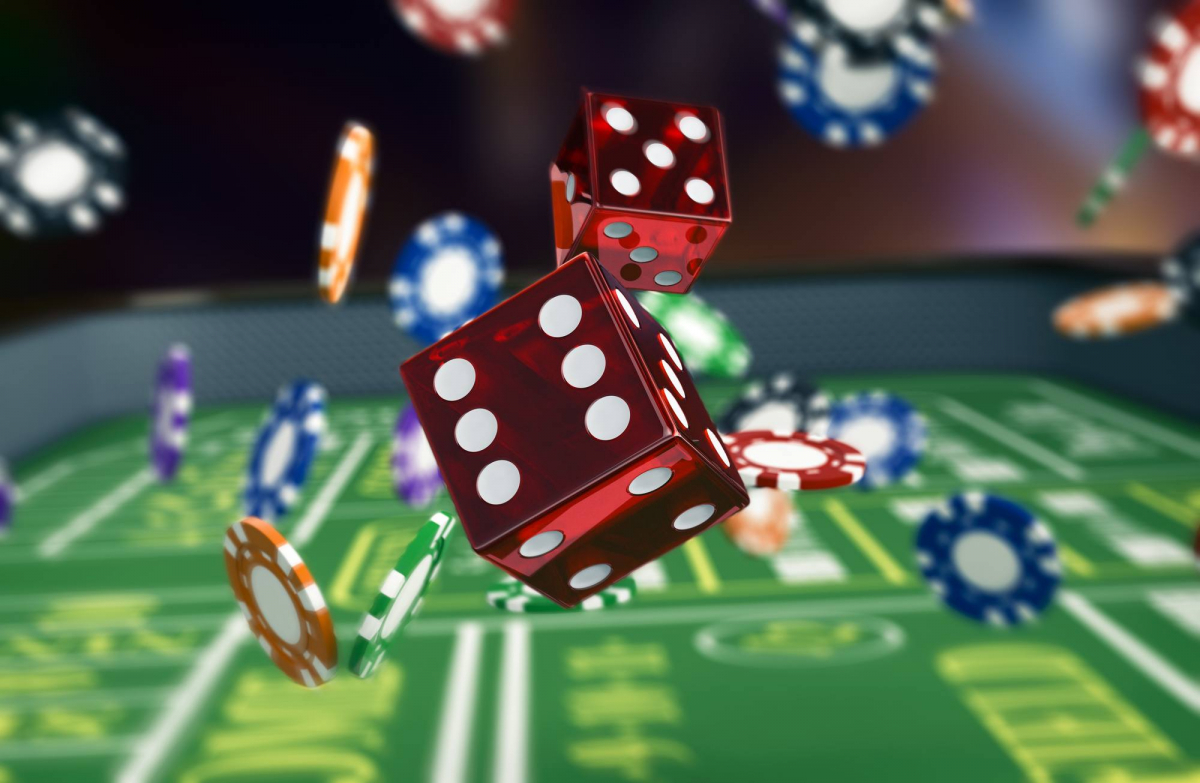
Moreover, the social aspect of gambling adds another layer to its appeal. Casinos are often bustling environments filled with people, creating opportunities for social interaction and camaraderie. This communal experience can lead individuals to engage in gaming behavior not just for financial gain but for the enjoyment of being part of a larger social event. The combination of excitement, sensory stimulation, and social engagement makes casino gaming a compelling activity for many.
The Role of Cognitive Biases
Cognitive biases play a significant role in shaping gambling behavior. One well-known bias is the “gambler’s fallacy,” where individuals believe that past outcomes can influence future results despite the randomness of games like slots or roulette. This misconception can lead players to make irrational decisions, such as increasing their bets in hopes of recouping losses, which can perpetuate a cycle of gambling. Understanding these biases is crucial for recognizing how they can lead to detrimental financial consequences and reinforce addictive behaviors. Unknown players may find themselves increasingly susceptible to these biases.
Another cognitive bias prevalent in casino gaming is the illusion of control, where players feel they can influence the outcome of a game through skill or strategy. This belief can drive individuals to participate more frequently and take greater risks, mistaking luck for skill. The inherent randomness of gambling games contrasts with this notion, which can further complicate a player’s understanding of their odds and lead to continued engagement despite losses.
The Emotional Highs and Lows
Gambling can evoke a wide range of emotions, from euphoria during a winning streak to despair during a losing session. The emotional highs experienced after a win can reinforce the desire to gamble, as individuals seek to replicate that feeling. Conversely, the lows can lead to desperation and an increased risk of compulsive behavior, as players chase their losses in hopes of regaining their previous winnings. This emotional rollercoaster is a critical aspect of understanding casino gaming behavior, as it intertwines with psychological factors that drive individuals back to the gaming floor. The unknown aspects of their emotional responses can greatly influence subsequent decisions.
The impact of emotions on decision-making in gambling is profound. Research indicates that players may often gamble more when they are in a positive emotional state, while negative emotions might lead them to gamble in an attempt to escape their feelings. This duality highlights the need for awareness of one’s emotional well-being when engaging in gambling activities, as it can significantly influence outcomes and overall behavior.
Addiction and Risk Factors
Casino gaming can lead to addiction, a serious condition that affects individuals’ lives on multiple levels. Various factors contribute to the likelihood of developing a gambling addiction, including genetic predispositions, psychological issues, and environmental influences. For some, gambling can become a way to cope with stress, anxiety, or depression, creating a cycle that is difficult to break. Understanding these risk factors is essential for identifying individuals who may be vulnerable to excessive gambling behavior.
The development of gambling addiction often goes unnoticed until significant damage has been done, such as financial loss or strained relationships. Recognizing the signs of problematic gambling, such as repeated unsuccessful attempts to quit or gambling to escape negative emotions, can prompt early intervention. Support systems, including counseling and peer support groups, play a vital role in helping individuals reclaim control over their gaming behavior.

Engaging with Responsible Gaming Resources
Our platform is dedicated to promoting responsible gaming practices and providing resources for individuals seeking to engage in casino gaming in a healthy way. We recognize the psychological complexities surrounding gambling behaviors and aim to educate players about the importance of moderation and self-awareness. By offering insights into gambling psychology, we hope to empower individuals to make informed decisions that enhance their gaming experiences while minimizing risks.
Through our resources, players can find strategies to maintain control, recognize the signs of problematic gambling, and access support if needed. Our mission is to create a safe and enjoyable environment for all gaming enthusiasts, ensuring that casino gaming remains an exciting form of entertainment rather than a source of distress or addiction.